

Every school year brings the same rush: a science exhibition notice, a submission date and a student asking where to find the right parts. Choosing electronics project components for students sounds easy, but one wrong part can stop a working model halfway. This guide explains which electronics project components for students in classes 6 to 12 are usually needed, and what to check before you buy.
Electronics Project Components for Students in Classes 6 to 12
Needs change with the class. Younger students need simple, safe parts, while senior students move on to boards, sensors and motors.
- Classes 6 to 8: LEDs, battery holder, switch, buzzer, small DC motor and wires for basic circuits.
- Classes 9 and 10: breadboard, resistors, LDR and other sensors, and a beginner Arduino board.
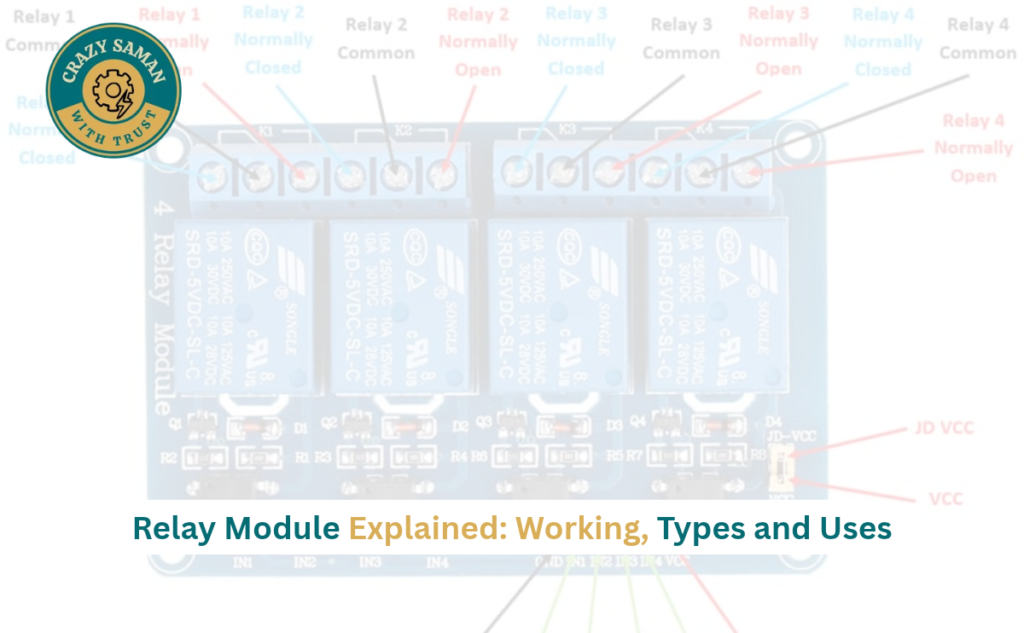
- Classes 11 and 12: Arduino boards, sensor modules, motor drivers, relay modules and displays.
The best electronics project components for students are the ones that match the class level and the project idea, not the ones that look most advanced. Choosing electronics project components for students by class also keeps the budget under control.
Electronic Parts for School Projects and Science Experiments
Most school projects use the same small group of parts: LEDs, resistors, switches, buzzers, batteries and wires. Experiments like a simple circuit, a burglar alarm or a water level indicator need nothing more. Good electronic parts for school projects are cheap and easy to replace, which matters when something burns out the night before submission. Keep a few spare resistors and LEDs. Reliable electronics project components for students also have clear markings, so they are quick to identify.
Science Exhibition Electronic Components for Working Models
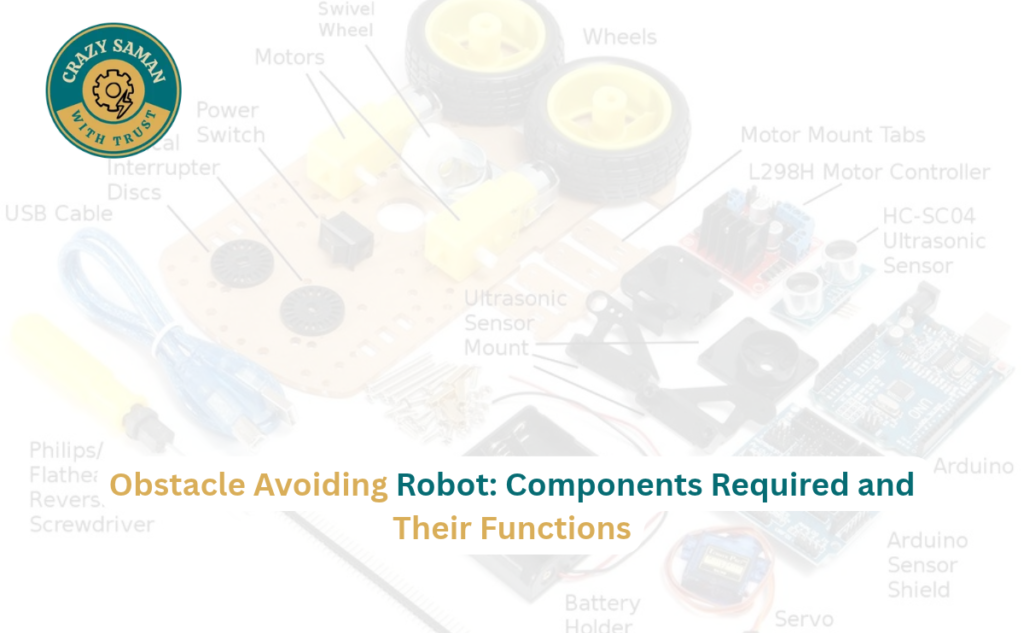
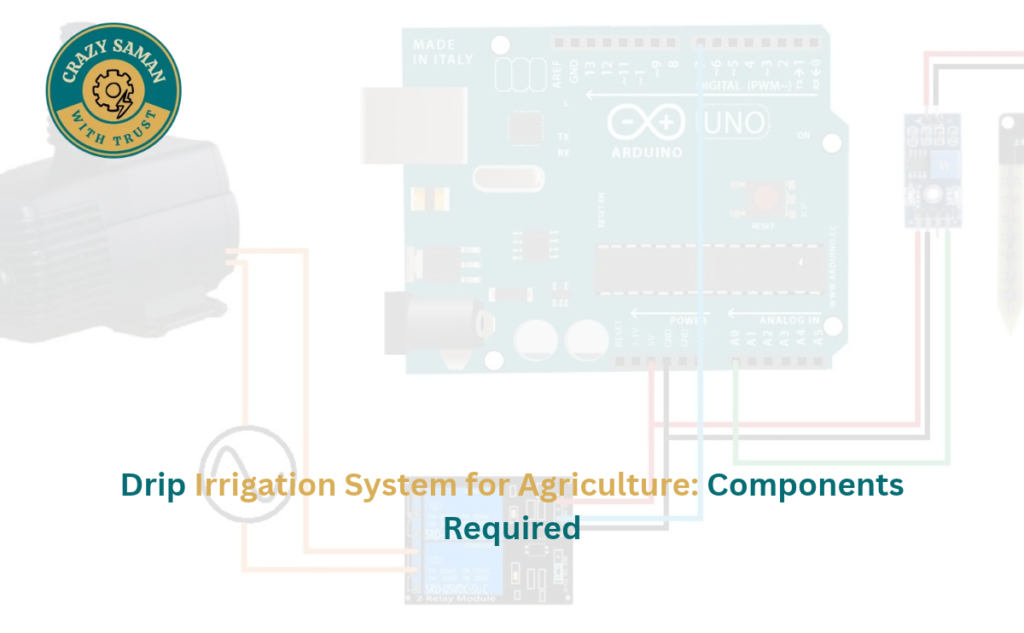
Exhibition models must run for hours in front of visitors, so reliability matters more than size. Popular models include an automatic street light, an obstacle-avoiding car, a smart dustbin and a plant watering system. Science exhibition electronic components for such models usually include an Arduino board, an ultrasonic or soil moisture sensor, a motor driver, a servo motor and a battery pack. Test the full setup at home with the same power source you will use at the exhibition. Anyone choosing electronics project components for students who will present a model should also carry a small spare kit.
Electronics Components for Class 10 Project Ideas
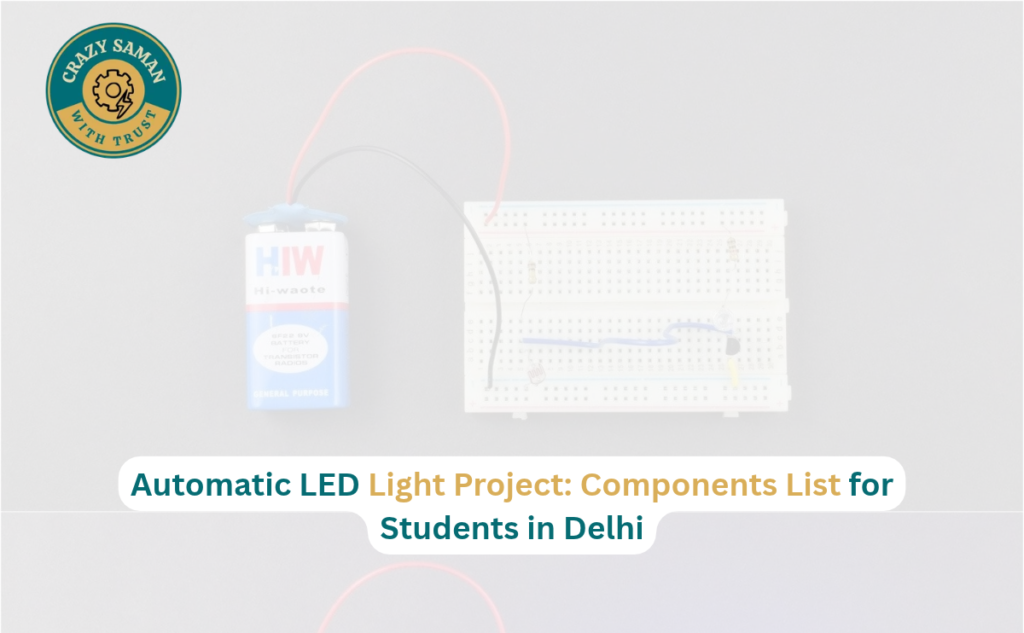
Class 10 students need a project that is impressive but doable. Good ideas include an automatic night lamp using an LDR, a rain alarm, a fire alarm with a flame sensor and a simple obstacle detector. Electronics components for class 10 project work typically include a breadboard, LDR, flame or rain sensor, buzzer, resistors and an Arduino Nano or Uno. Keep the circuit simple and explain it well, because teachers value understanding over complexity. Matching electronics components for class 10 project ideas to a board you can handle saves time. Among electronics project components for students, sensors and Arduino boards give class 10 the most variety.
Electronics Kit for Students: What Should It Include?
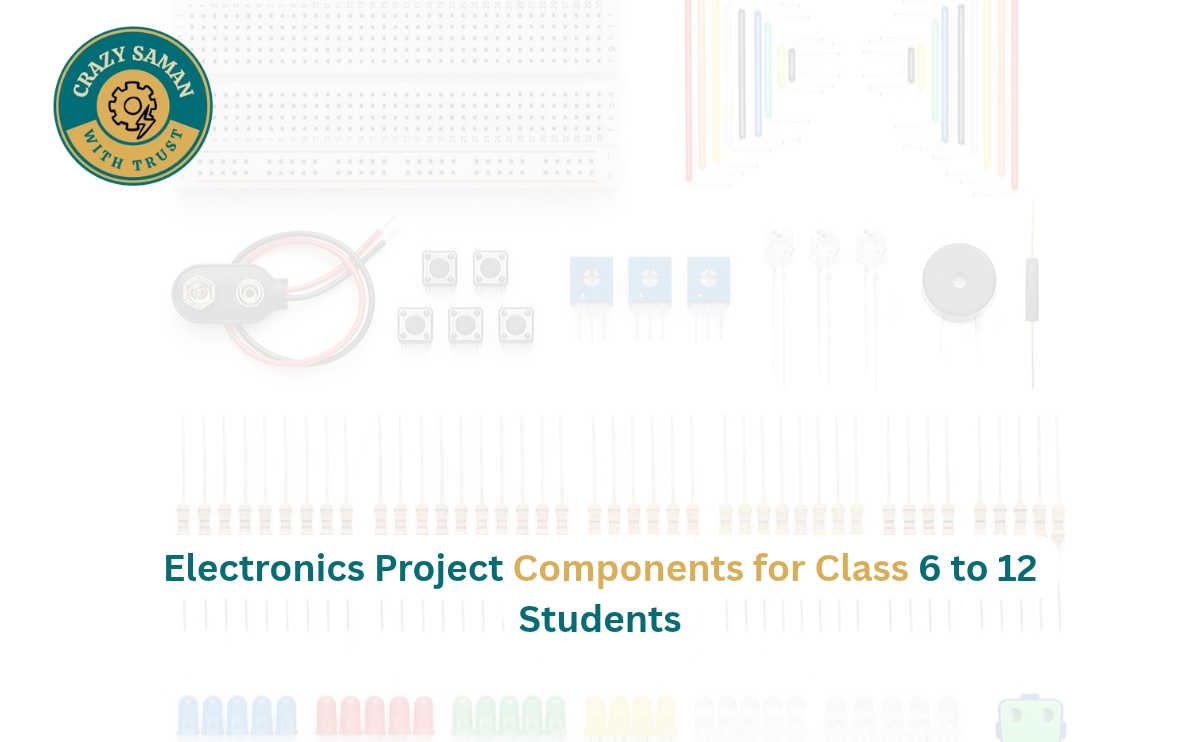
A kit saves time because the parts are chosen to work together. A useful electronics kit for students should have:
- Breadboard and jumper wires
- Resistors, LEDs and capacitors
- Push buttons and a buzzer
- A few sensors such as LDR, IR and ultrasonic
- A DC motor and battery holder
- Optionally, an Arduino board and USB cable
Look at what is actually inside rather than the number of pieces. A smaller electronics kit for students with useful parts beats a big box you will never fully use. Many students prefer to build their own list of electronics project components for students, because it avoids paying for parts they do not need.
Components for Working Models in School Science Projects
Every working model follows a simple chain: a power source, an input (switch or sensor), a controller, and an output (motor, LED or buzzer). Choose components for working models backward from the output. Decide what the model must do, then pick the parts. A moving model needs a motor and a driver, while an alarm needs a sensor and a buzzer. A student who plans this way usually buys fewer electronics project components for students than one who buys randomly.
Basic Electronics Components Every Student Should Know
Learn these first: the resistor limits current, the capacitor stores charge, the LED gives light, the diode lets current flow one way, the transistor works as a switch or amplifier, and the battery supplies power. Knowing them makes every project easier and helps you answer questions in a viva. Write a short note on each of the electronics project components for students used in your model.
Arduino Boards, Sensors and Motors for Student Projects
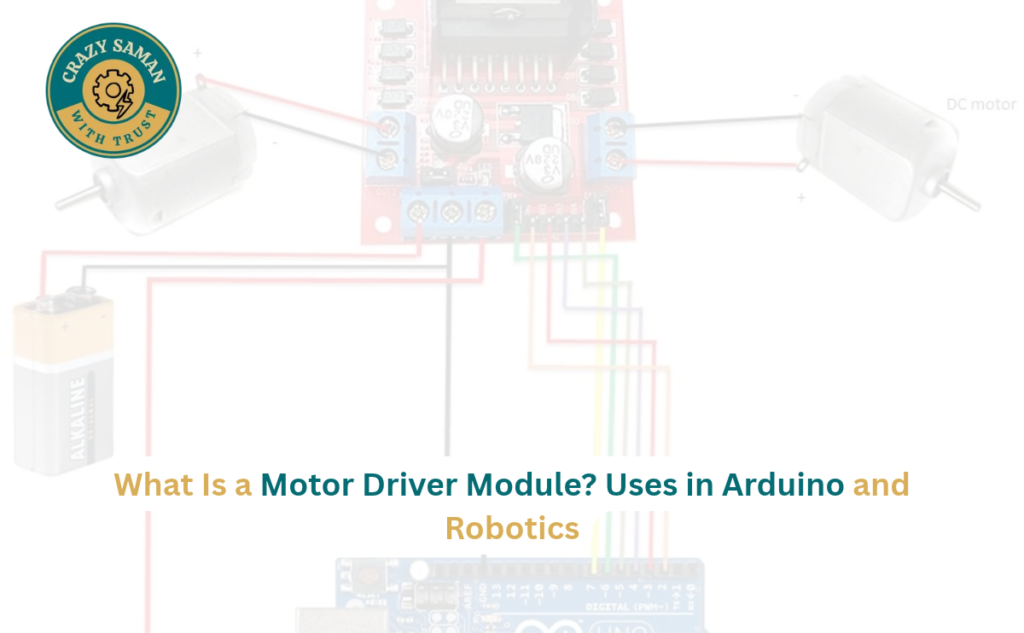
Arduino Uno is the usual choice for learning, while Nano is smaller and suits compact models. Common sensors are ultrasonic for distance, IR for obstacles and lines, PIR for motion, DHT11 for temperature and soil moisture for plants. For motion, DC motors drive wheels, gear motors give more torque and servo motors control angle. Add a motor driver module whenever the motor draws more current than the board can supply. These are the most popular electronics project components for students in classes 9 to 12.
How to Choose the Right Electronics Components for Your School Project?
- Start with the idea, not the shopping list.
- Check the voltage of every part so everything works together.
- Buy spares of cheap parts like LEDs and resistors.
- Confirm availability and delivery time well before the deadline.
- Compare prices before you pay.
Following these steps helps even first-time buyers of electronics project components for students avoid common mistakes. The most frequent one is buying a part that needs more current or a different voltage than your power source can give. When in doubt, ask the seller to confirm compatibility with your board.
Find Electronics Project Components for Students at CRAZY SAMAN
Looking for electronics project components for students near you? CRAZY SAMAN sells Arduino boards, sensors, jumper wires, breadboards, DC motors and electronic modules for school projects, science exhibitions, robotics and DIY experiments. Customers in and around Sultanpuri, Delhi can ask about local delivery through Porter, subject to availability and delivery charges. You can also call us beforehand to confirm stock and collect your order from our location. We try to keep prices competitive so students, parents and teachers can stay within budget, and you are welcome to compare our rates with Amazon, Flipkart, Meesho and other platforms before buying. For bulk orders, school requirements, pricing or delivery details, contact CRAZY SAMAN on 9289245581 with your project requirements.
Frequently Asked Questions About Electronics Project Components for Students
Which electronics project components for students are best for classes 6 to 8?
LEDs, a battery holder, a switch, a buzzer and a small DC motor. They are safe, cheap and easy to use.
What do I need for a science exhibition model?
Decide the model first. Science exhibition electronic components usually include an Arduino, sensors, a motor and a battery pack, and all of them should be tested together.
Is Arduino necessary for a class 10 project?
No. Many projects work with just a battery, sensor and buzzer. Use Arduino when your model needs logic.
Is a kit better than buying parts separately?
A kit is convenient, but buying separately lets you pick exactly the electronics project components for students that your idea needs.
📦 Order Your Components Today
Crazy Saman — Delhi’s Best Electronic Components Store
🌐 Website: crazysaman.com 📞 Call / WhatsApp: 9289245581 📍 Location: Delhi, India — Pan-India Delivery Available ⏰ Business Hours: Monday to Saturday | 10:00 AM – 7:00 PM